


Private equity is coming for America’s favorite pastime, America’s game and almost every other sport. Private equity firms are buying into sports at twice the pace they were a few years ago, according to Apollo Global Management chief economist Torsten Slok.
“Private equity deals in global sports have roughly doubled from about 100 a year in 2021-2023 to almost 200 in both 2024 and 2025, a sign that investors increasingly see sports as an institutional-grade asset class,” Slok wrote in a Nov. 22 analysis.
The investment boom isn’t just limited to stakes in pro teams, however. Private equity firms also target the businesses that supply, support and monetize sports, from equipment manufacturers to talent agencies and training facilities.
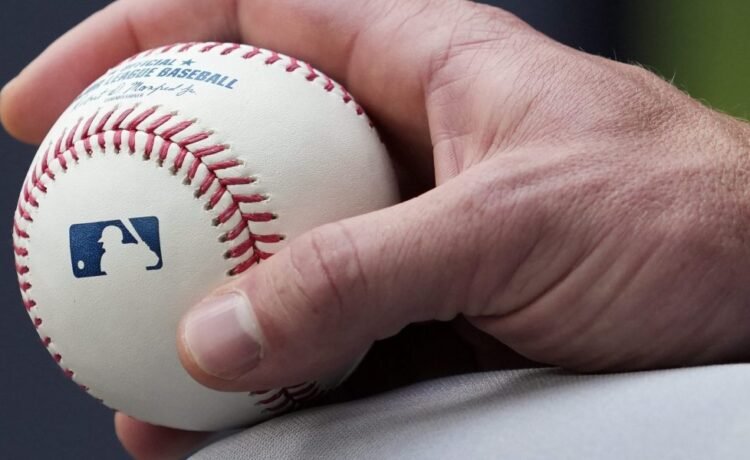
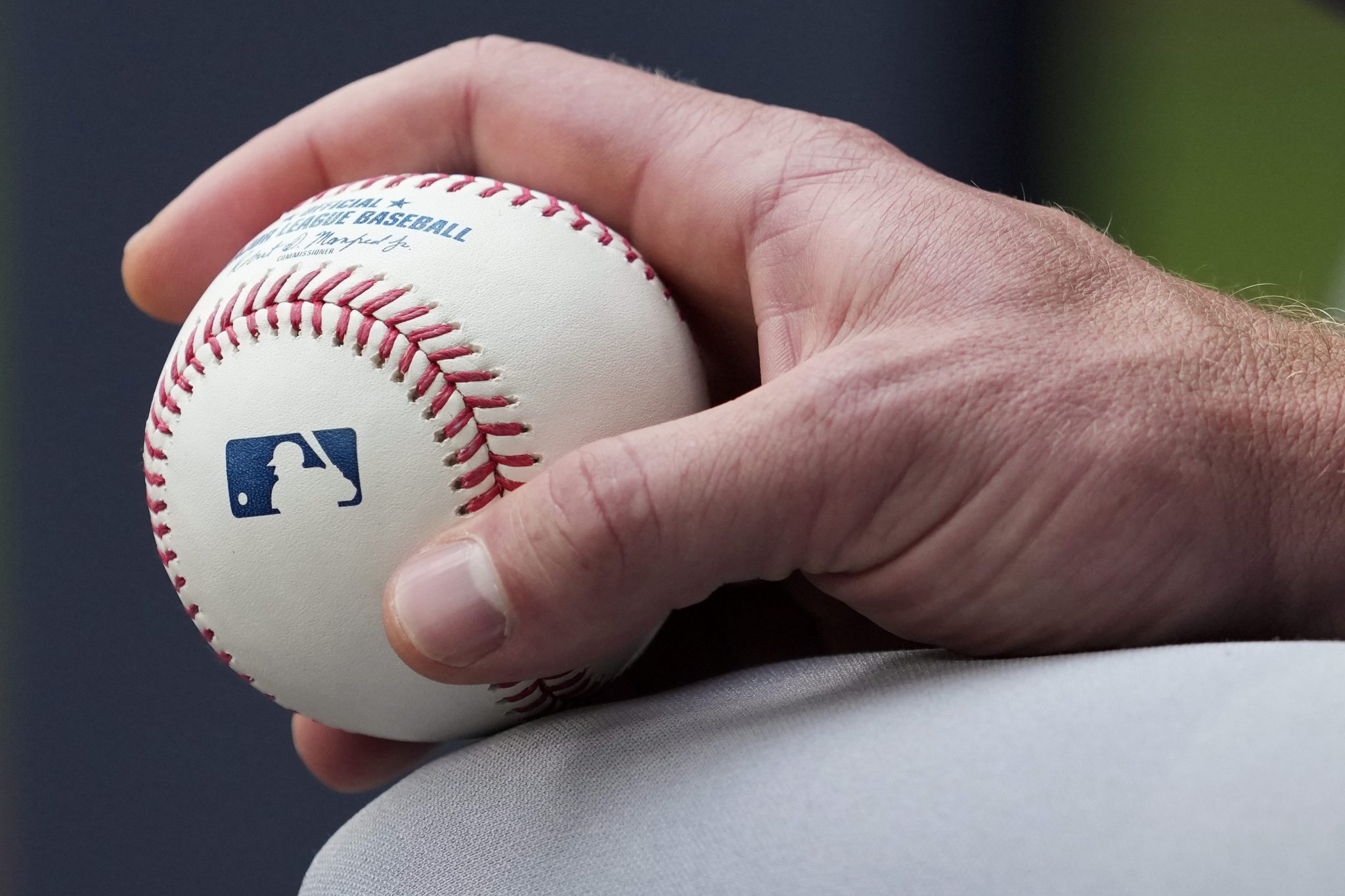
On Nov. 19, Swiss investment firm Partners Group agreed to acquire a majority stake in Rawlings Sporting Goods—the manufacturer of baseballs, gloves, bats and protective equipment for the MLB. The company serves as the league’s official supplier of game balls, gloves, helmets, face guards and bases. The league itself owned a stake in the company as well, meaning unlike the minority stakes leagues allow in their teams, the deal gives a private equity firm control.
According to Partners Group, MLB and Rawlings’ existing shareholders will retain meaningful ownership while also giving the Swiss firm exposure to Rawlings’ broader business—which includes brands like Easton and Combat, as well as D-BAT Academies, a network of 228 indoor baseball and softball training facilities.
“Rawlings’ iconic brands and training footprint helps reinforce participation in America’s pastime and has credibility with consumers and athletes across all ages,” Managing Director of Private Equity Goods & Products at Partners Group Thomas Clark said in a press release. “We look forward to working with Ron, the Rawlings team, and MLB as long-term partners.”
Apollo has its own sports arm as well: In August, Apollo Sports Capital entered as a “strategic investment partner” to the MLB’s most iconic franchise—the New York Yankees. The deal was a $2.6 billion financing agreement with Yankee Global Enterprises, the team’s holding company, supporting the “continued growth” of the Yankees franchise while also refinancing its existing debt.
“Teams and leagues might embrace capital for any number of reasons: to support operating costs, update aging facilities or develop new venues, invest in new technologies, or grow their global reach,” Deloitte’s 2026 Global Sports Industry Outlook report read. “But outside investment brings greater scrutiny, new challenges, and rising expectations around transparency, governance, and financial rigor.”
Opening the door to private equity
For decades, professional sports restricted private equity firms and other institutional investors from owning stakes in their teams. Instead, franchises were controlled by wealthy individuals, families or ownership groups—mainly from the leagues’ concern about preserving control over teams and maintaining structure.
That began changing in 2019, however, when Major League Baseball became the first major U.S. professional sports league to permit private equity investments in franchises. The NBA and Major League Soccer followed in 2020 and the NHL lifted restrictions in 2021. The NFL became the last of the four major American sports leagues to approve private equity ownership in 2024.
But those permissions came with limits. According to Sportico, MLB only allowed institutional investors to own up to 30% of a franchise, with a single fund capped at 15%. The NBA and NHL permit up to 30% institutional ownership per team as well, but cap individual funds at 20%. The NFL has the strictest ownership rules, only allowing approved private equity firms to own a combined stake of up to 10% in a team—and only 10% in an individual fund as well.
A symbiotic relationship
And the owners have taken advantage of that influx of capital. Outside money helps owners pay for stadium construction, arena renovations, player contracts and the development of surrounding entertainment districts, all without having to foot the full bill themselves.
For example, the Buffalo Bills created an arrangement in 2024 following the NFL’s lifted restrictions to sell 21% of the team’s stake to a group of limited partners—which included a 10% investment from private equity firm Arctos Partners. The transaction came as the Bills were building their new stadium, when projected costs rose from $1.4 billion to $2.1 billion.
But the benefit for private equity owners exists as well. Professional sports teams have access to multiple revenue streams, including broadcasting rights, ticket sales, sponsorships, merchandise, licensing and stadium-related businesses. The five major U.S. professional sports leagues generated approximately $60 billion in combined revenue in 2025, according to the Congress. The estimated combined value of their franchises reached approximately $560 billion that year.
“The new model of baseball—or basketball, football—is teams becoming media companies and transcending a local marketplace,” founder and chief investment officer of Harbinger Sports Partners Rashaun Williams, which had invested a minority stake in the newly relocated Las Vegas Athletics MLB team, previously told Fortune. “They’re finding ways to diversify their revenue and monetize that fan base 365 days a year.”